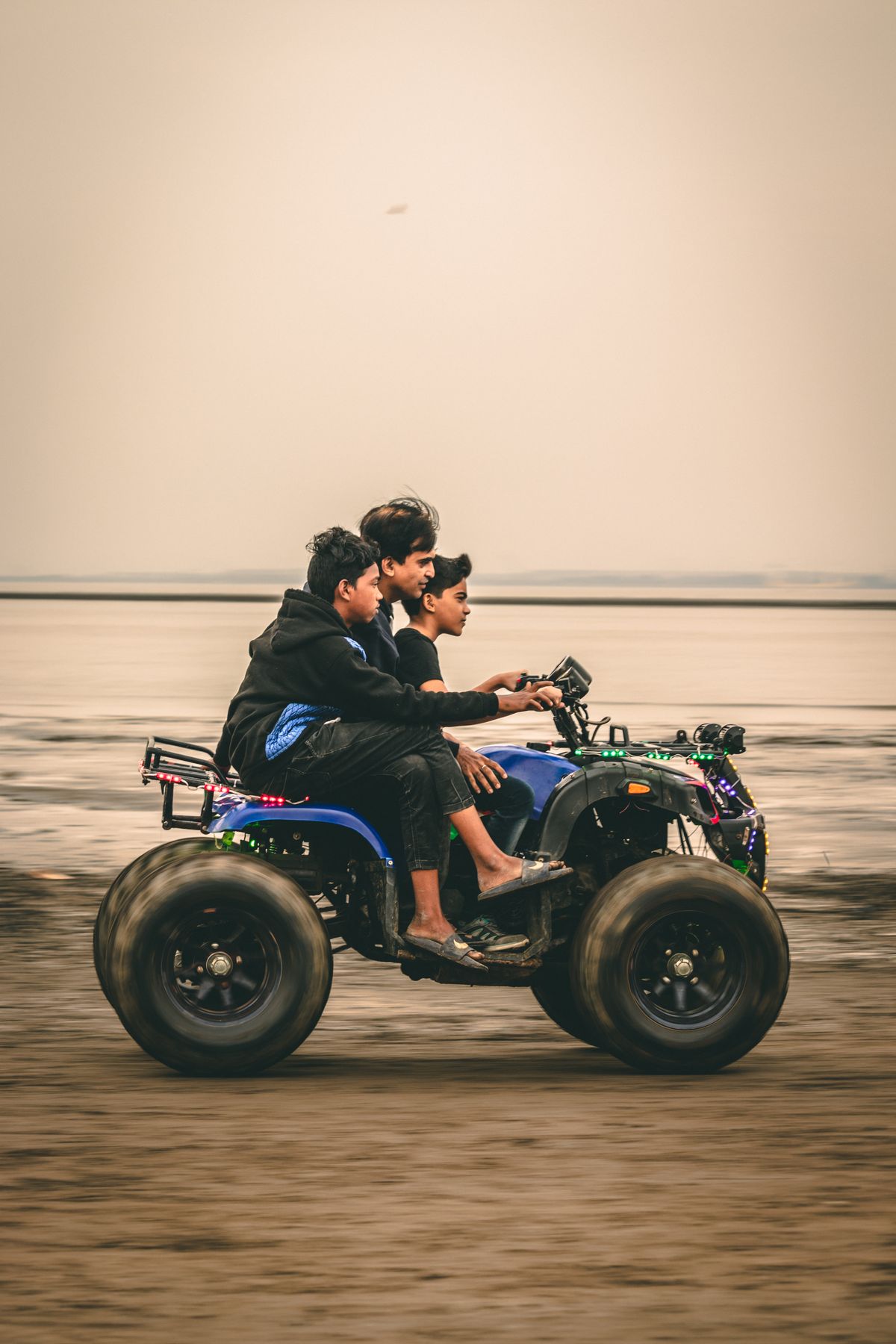
ATVs unlock parts of Costa Rica that no tour bus, rental car, or hiking trail ever will. Muddy farm tracks through active cattle ranches, river crossings up to your waist, ridge-line trails with volcano views — the country's terrain was practically designed for it. And unlike zip lines or rafting, where you're largely along for the ride, an ATV puts you in control of where the adventure goes.
These nine tours are ranked by overall experience quality — terrain variety, scenery, guide expertise, and value. Prices reflect what you'll actually pay through vetted operators; many cheaper options exist but use older equipment with inadequate safety briefings.
Why ATV Tours in Costa Rica Are Worth It
Costa Rica's road network, even after decades of improvement, leaves vast areas accessible only by 4WD or ATV. The country's geology — volcanic mountains, river valleys, Pacific coast cliffs, and Caribbean lowlands — creates terrain diversity you won't find on a single guided trek or kayak trip. On a well-run ATV tour, you might traverse five completely different ecosystems in three hours.
9 Best ATV Tours in Costa Rica, Ranked
The gold standard for ATV tours in Costa Rica. Routes pass through cattle farms, river crossings, and primary jungle with unobstructed views of Arenal Volcano — one of the most dramatic backdrops on earth. Operators here have been running these trails for 15+ years and know every dry river crossing and scenic ridge. The 4-hour circuit covers around 40km of mixed terrain.
Riding at 1,400m elevation means constant cloud cover, epic valley views, and trails that weave between dairy farms and cloud forest edge. The cooler temperatures make this the most comfortable ATV experience in the country. Shorter circuit than La Fortuna but more technically challenging due to steep mountain tracks.
Pacific coast routes combine beach access, river crossings, and viewpoints over the ocean — finishing with an optional swim at a secluded beach. Longer circuits available for groups. Most operators here offer tandem ATVs, making this the best option for couples.
Flat beach and estuary terrain makes this the most beginner-friendly option on the list. Shorter circuits, lower speeds, and sunset timing options make it ideal for first-time riders or those who want the ATV experience without serious mud. Dramatic dry-season sunsets over the Pacific are a genuine bonus.
Rincón de la Vieja's volcanic geography creates otherworldly terrain — mud pots, sulfur vents, and dry tropical forest that feels unlike anywhere else in Costa Rica. Less crowded than Arenal-area tours. Usually combined with a waterfall swim or hanging bridges visit.
Santa Teresa's ATV scene has a surfer-energy casualness that distinguishes it from more polished operations. Routes cut through private farms to cliff viewpoints and hidden beaches. Best run in the early morning before the Pacific heat kicks in. Operators here are smaller and more flexible with itineraries.
Turrialba is Costa Rica's white-water capital, and some operators pair morning ATVs through the valley with afternoon rafting on the Pacuare or Reventazón rivers. If you want maximum adventure in a single day, this is it. The ATV circuit itself passes coffee plantations and overlooks the valley.
Caribbean-side ATV tours are genuinely rare — and that's the appeal. Flat coastal terrain through banana and cacao plantations, with Afro-Caribbean culture woven into every stop. Operators here are smaller, routes are less refined, and the whole experience feels more genuine than the polished Pacific coast tours.
Sámara's slower, family-friendly vibe extends to its ATV scene — shorter routes, calm terrain, and an emphasis on stopping at viewpoints and local farms rather than speed. Good option for families with older kids or anyone who wants ATV without the mud and intensity of mountain circuits.
What to Know Before You Go
Clothing & gear
Wear clothes you don't mind destroying. Long pants and closed-toe shoes are mandatory on any reputable tour — operators who allow flip-flops and shorts are cutting safety corners. Operators provide helmets; bring your own gloves if you have them (handlebar vibration over 3 hours is real). A change of clothes is essential if you're going mud-heavy.
Wet season vs. dry season
Wet season (May–November) produces better mud, fuller rivers, and more dramatic terrain — but also more broken trails and operator cancellations after heavy rain. Dry season (December–April) is more reliable but dustier and less dramatic. The sweet spot for mud-enthusiasts is June–July: wet enough for serious puddles, not so wet that trails close.
Solo vs. tandem
Solo ATVs are more fun and give you full control. Tandem ATVs (two people per machine) are significantly cheaper per person and better for couples where one person is nervous. Most operators offer both — book solo if you've ridden before, tandem for first-timers who want company.
- Minimum age: Usually 16 for solo, 8+ for tandem passenger
- Weight limits: Most machines handle up to 120kg (265 lbs)
- License required? No — ATVs on private land don't require a driver's license
- Book in advance: La Fortuna and Manuel Antonio tours fill up 2–3 days ahead in high season